Blog
How to Make Glass Packaged Products More High-End
In today’s competitive alcoholic beverage market, packaging is no longer just a container — it has become a key element of brand positioning and consumer perception. Premium packaging design helps brands communicate quality, craftsmanship, and authenticity while increasing product value.
According to industry insights published by The Spirits Business Magazine
https://www.thespiritsbusiness.com/
premiumization continues to drive innovation in global liquor packaging markets, especially in glass bottle design and customization.
Global Development Trends in Liquor Packaging Materials
Alcoholic beverages are commonly packaged using glass bottles, plastic containers, and laminated packaging materials. Each material serves different market positioning, but glass packaging remains dominant in premium spirits.
The Glass Packaging Institute
https://www.gpi.org/
points out that glass remains one of the most trusted and sustainable packaging materials thanks to its recyclability and product protection performance.
Industry Packaging Material Comparison
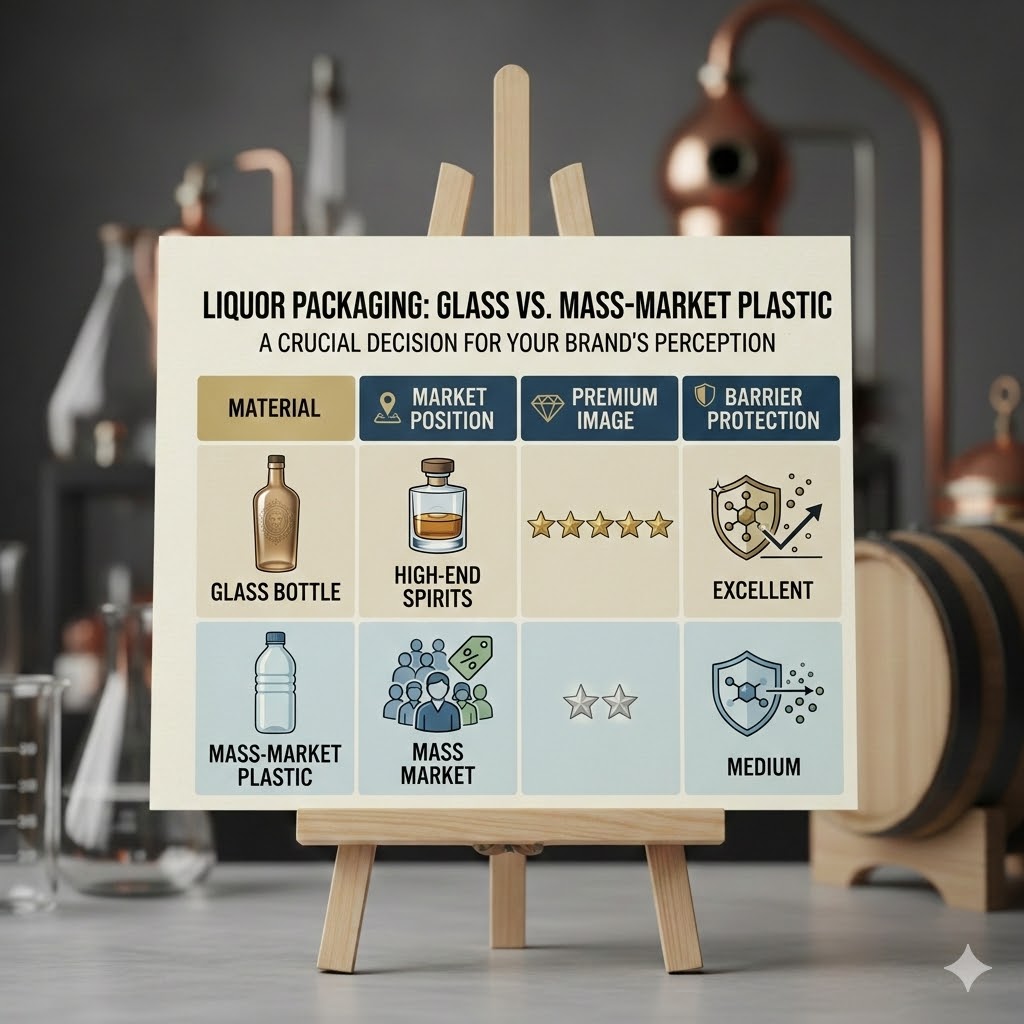
| Material | Market Position | Premium Image | Barrier Protection |
|---|---|---|---|
| Glass | High-end spirits | ⭐⭐⭐⭐⭐ | Excellent |
| Plastic | Mass market | ⭐⭐ | Medium |
Glass packaging dominates premium alcohol markets due to stronger protection and higher perceived value.
Why Packaging Design Determines Product Competitiveness
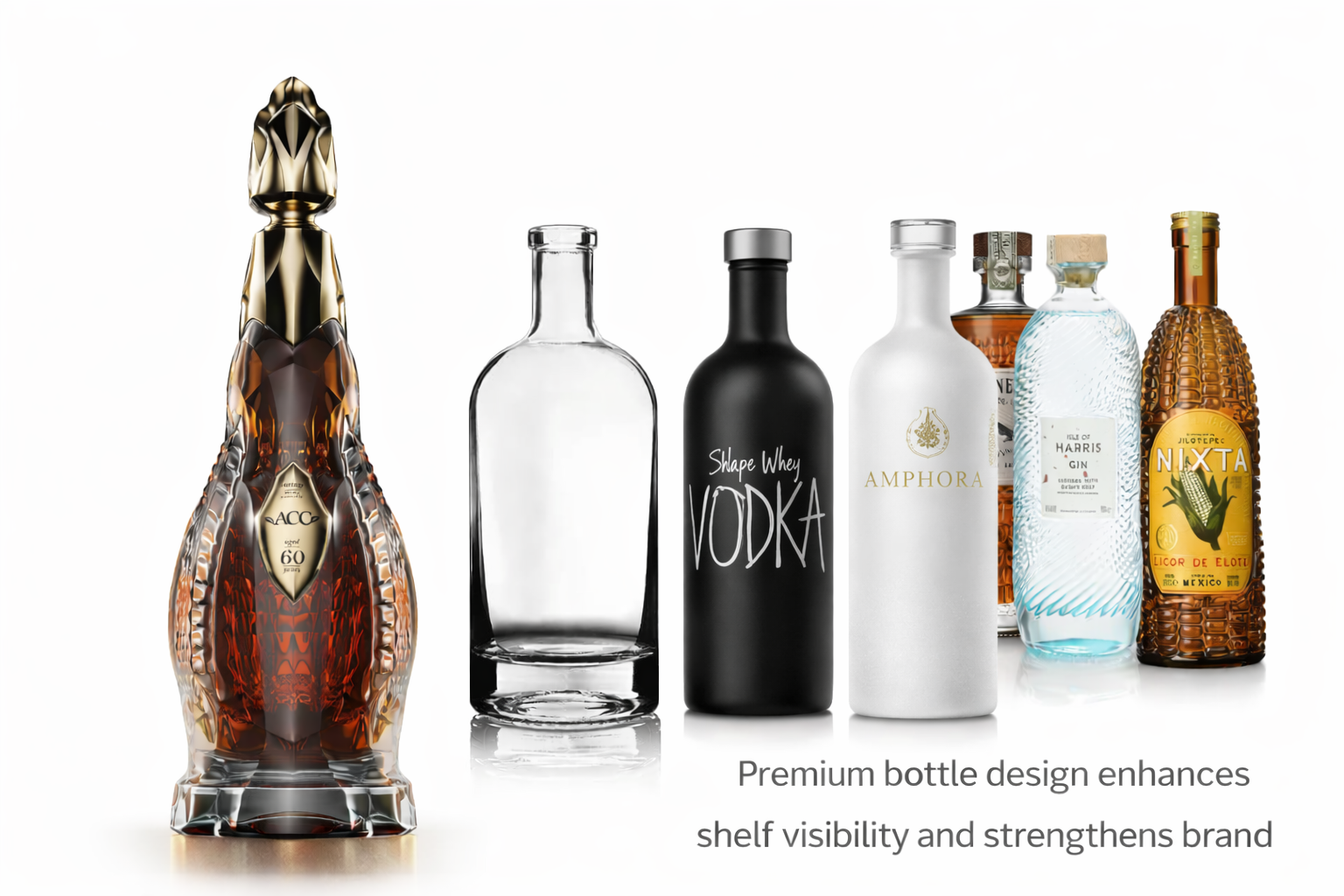
Premium bottle design enhances shelf visibility and strengthens brand identity.
Alcoholic beverages themselves often have similar visual characteristics. Packaging design therefore becomes the primary factor influencing purchasing decisions.
Successful high-end packaging focuses on:
-
Unique bottle silhouettes
-
Elegant transparency
-
Premium tactile experience
-
Minimalist branding aesthetics
Advantages of Plastic Bottle Packaging
Plastic packaging has developed rapidly due to several practical advantages:
-
Lightweight transportation
-
Lower manufacturing costs
-
Flexible shapes and sizes
-
Strong printing adaptability
PET materials are increasingly used in certain beverage categories, especially for cost-sensitive products.
Packaging Trend Visualization
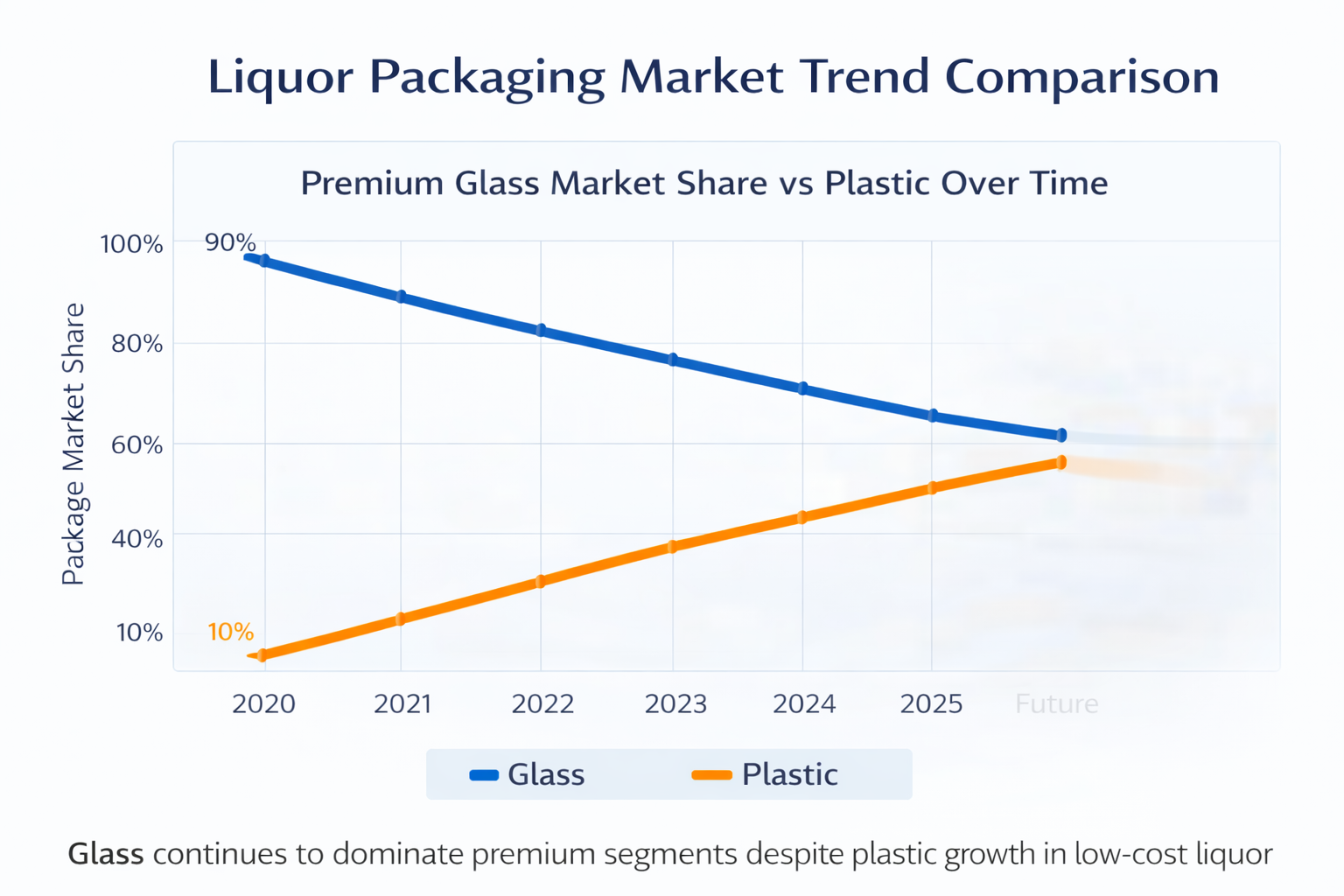
Glass continues to dominate premium segments despite plastic growth in low-cost markets.
Why Glass Bottles Remain the Preferred Choice for Premium Alcohol
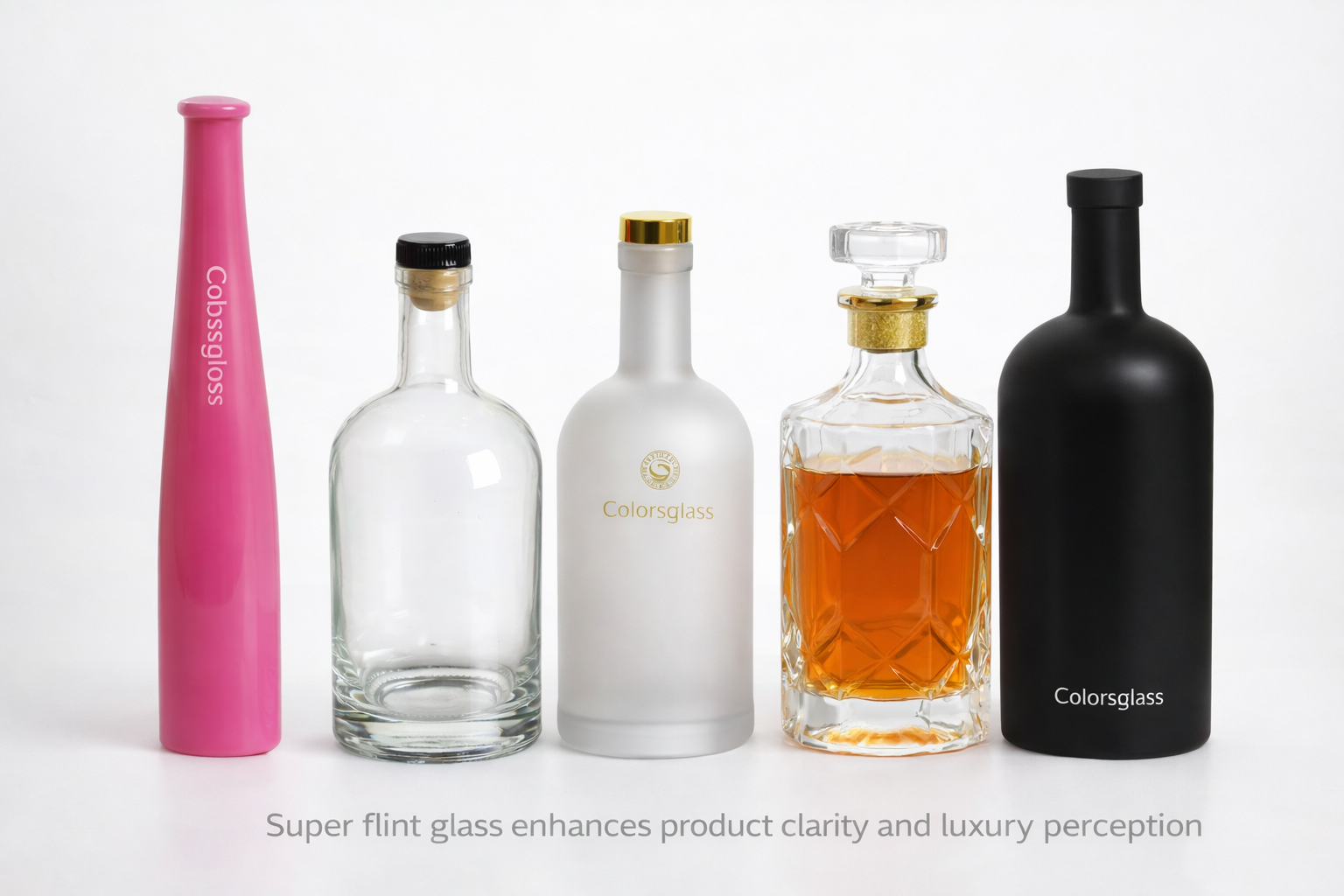
Super flint glass enhances product clarity and luxury perception.
Despite advances in alternative materials, glass bottles continue to dominate high-end alcohol packaging due to several advantages:
Premium Visual Identity
Glass conveys elegance and craftsmanship.
Consumer Trust
Consumers associate glass packaging with higher quality.
Superior Barrier Protection
Glass prevents oxygen penetration and preserves flavor stability.
Advanced Decoration Possibilities
Glass supports frosting, embossing, hot stamping, and coating technologies.
Packaging innovation trends discussed by Packaging Europe
https://packagingeurope.com/
highlight the importance of customization in luxury packaging.
Key Elements That Make Glass Packaging More Premium
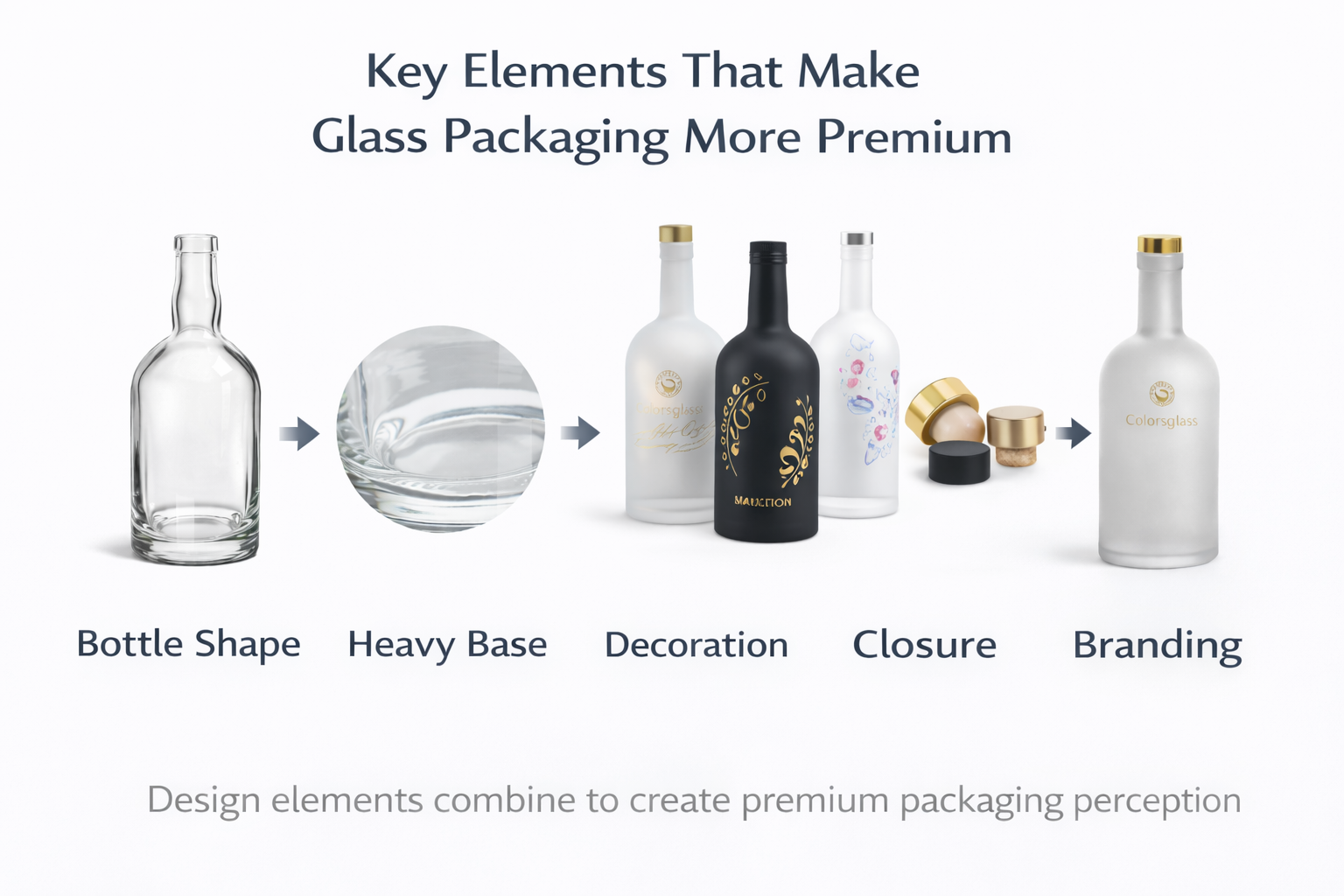
Design elements combine to create premium packaging perception.
High-end liquor brands typically adopt:
-
Super flint ultra-clear glass
-
Heavy-bottom structures
-
Custom closures
-
Frosted finishes
-
Minimal label design
Future Trends in Liquor Packaging
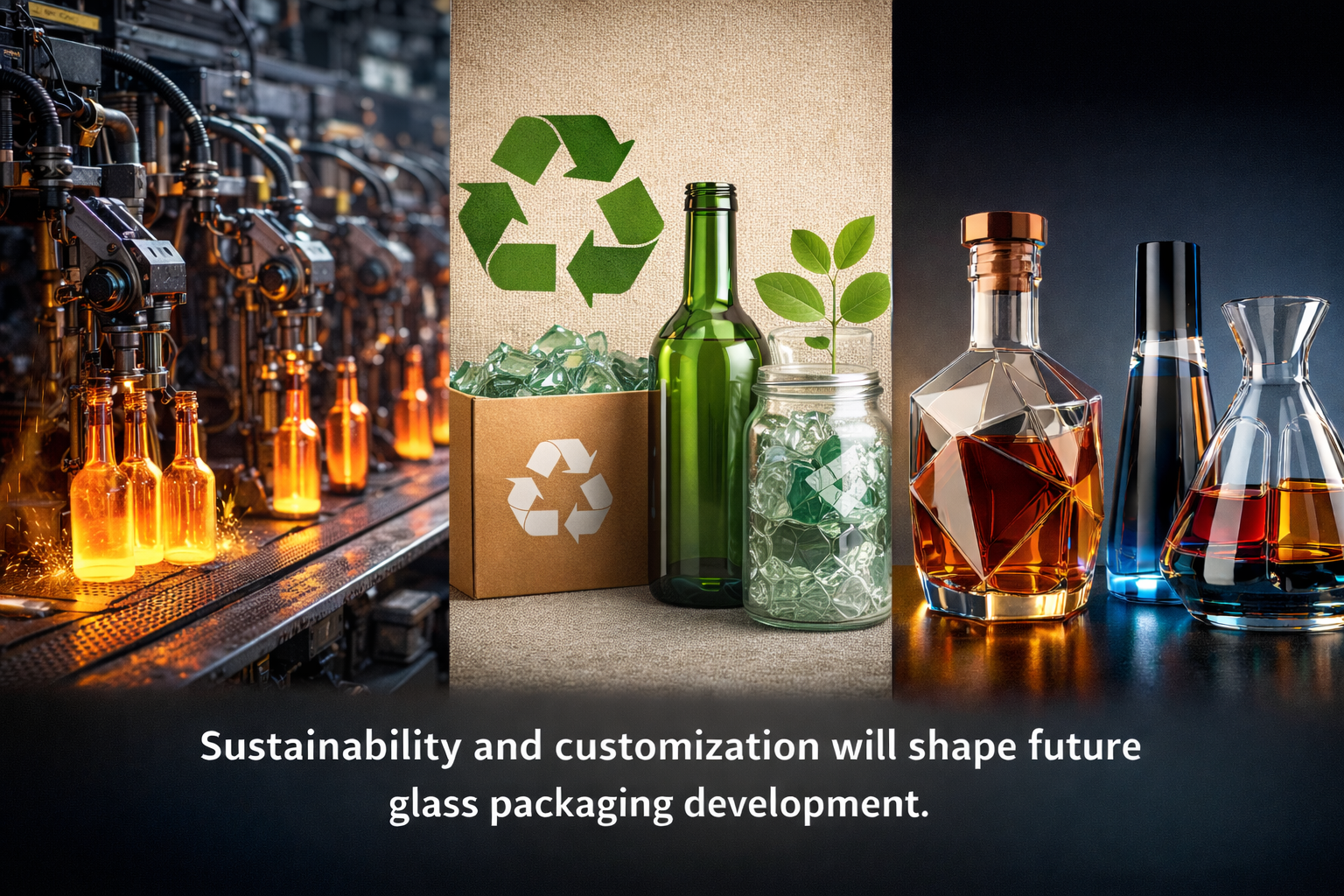
Sustainability and customization will shape future glass packaging development.
Global packaging standards promoted by the World Packaging Organisation
https://www.worldpackaging.org/
encourage sustainable material adoption worldwide.
Future development trends include:
-
Sustainable glass manufacturing
-
Lightweight premium bottles
-
Increased customization
-
Faster production technologies
Why Glass Packaging Will Continue Leading the Premium Market
Glass bottles combine aesthetics, protection performance, and consumer trust — three essential factors for premium alcoholic beverage branding.
For luxury spirits, packaging is not simply protection; it is part of the overall product experience.
Work With a Professional Glass Bottle Manufacturer
Choosing an experienced glass bottle manufacturer ensures stable quality, innovative design options, and reliable delivery timelines.
Contact us to explore customized glass bottle solutions and elevate your premium liquor packaging strategy.