Blog
How to Store Large Quantities of Glass Bottles Safely and Efficiently
Industrial Warehouse Storage Guide for Importers and Filling Plants (Engineering Edition)
Handling large volumes of glass bottles is not simply a storage task — it is a controlled engineering process involving load stability, environmental management, packaging integrity, and logistics risk control.
For industrial users, improper storage leads to mechanical failure, contamination, operational inefficiency, and measurable financial loss. Modern warehouse systems must therefore balance structural safety, space utilization, and supply chain reliability.
This technical guide explains the engineering principles behind safe glass bottle storage at industrial scale.
Industrial Glass Bottle Storage System Overview
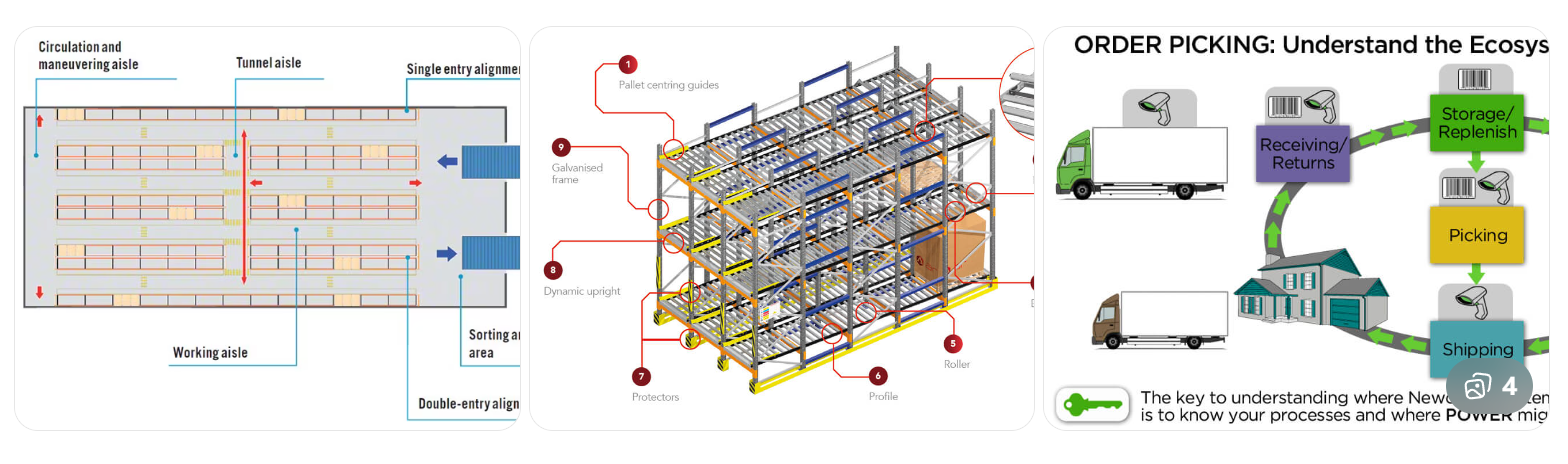
A complete storage system includes:
1 Incoming load handling
2 Pallet configuration
3 Environmental control
4 Structural stacking design
5 Internal movement flow
6 Outbound preparation
Warehouse storage must be designed as a continuous process, not isolated storage zones.
Pallet Configuration Engineering
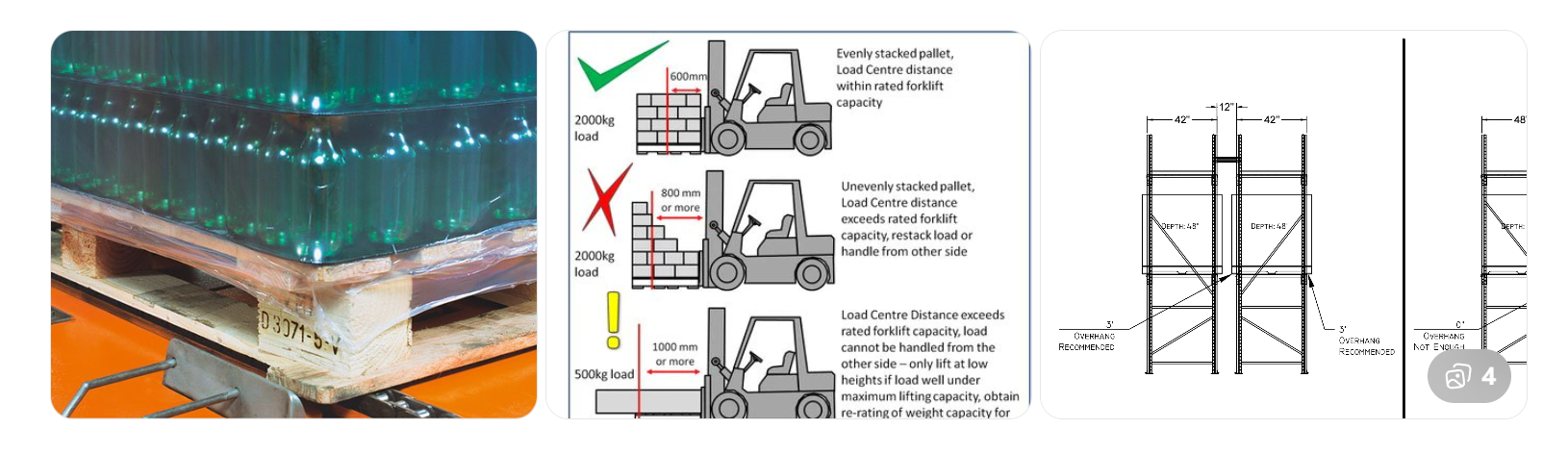
Pallet design determines load stability and storage efficiency.
Engineering Variables
-
load center of gravity
-
compression strength
-
stacking height ratio
-
pallet material stiffness
-
stretch wrap tension
Improper load distribution creates stress concentration and collapse risk.
Storage Efficiency vs Operational Risk Model
Industrial warehouse design always involves trade-offs.
| Strategy | Space Efficiency | Handling Complexity | Structural Risk |
|---|---|---|---|
| Low pallet height | Moderate | Low | Very low |
| High pallet height | High | Moderate | Medium |
| Floor loading | Maximum | High | Medium |
Optimal configuration depends on warehouse automation level and labor cost.
Container Loading Optimization
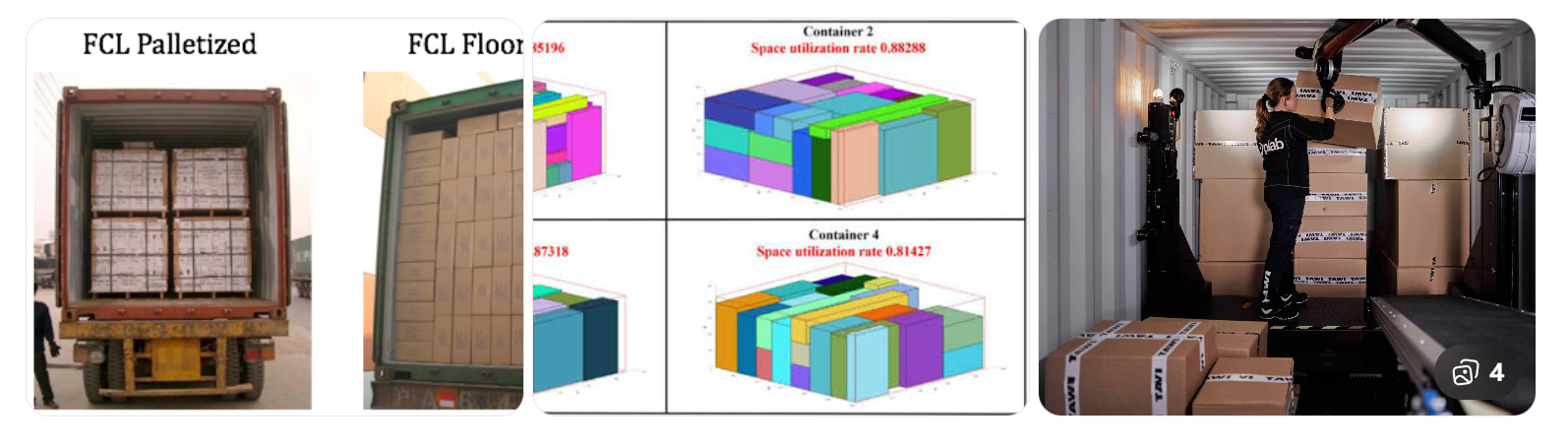
Container loading strategy influences total logistics cost.
Floor Loading Advantages
-
highest volume utilization
-
reduced freight cost
Operational Trade-Off
-
increased unloading time
-
higher manual handling exposure
Cost optimization requires evaluating freight savings vs labor cost.
Warehouse Environmental Control Engineering
Glass bottle storage stability depends heavily on environmental consistency.
Temperature Stability
Temperature variation changes material stress conditions.
Key risk:
thermal shock during later processing.
Humidity Control
Packaging materials absorb moisture and lose compression strength.
Critical threshold:
relative humidity high enough to soften cartons.
Light Exposure Control
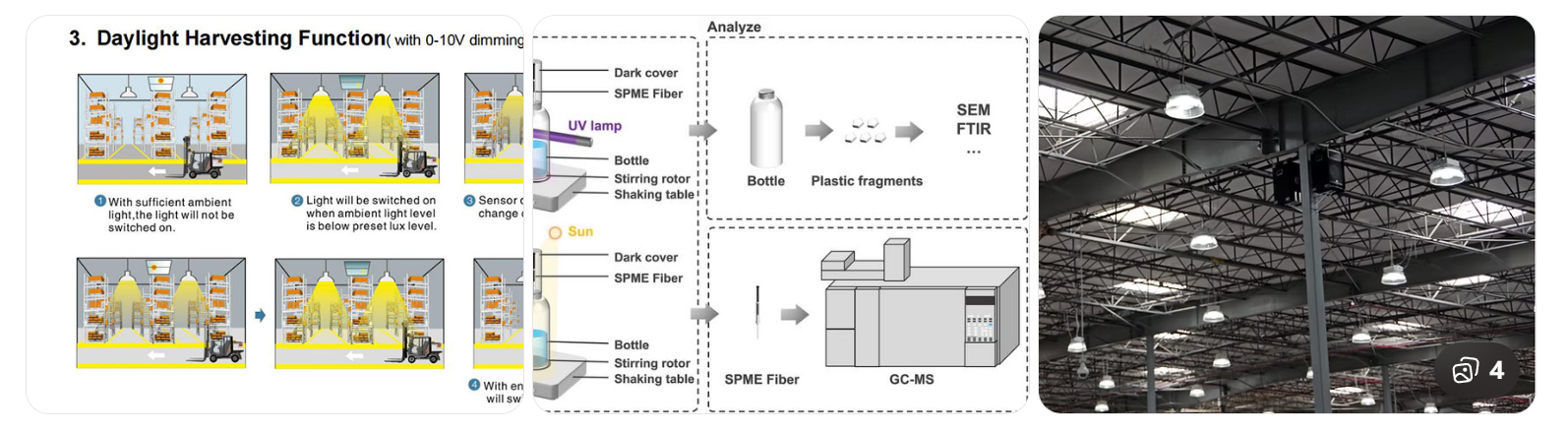
Glass refracts and concentrates light, producing localized heat buildup.
Long exposure can weaken packaging and increase safety risk.
Structural Load Stability and Collapse Prevention
Stack failure is one of the most common warehouse loss events.
Primary causes:
-
uneven floor support
-
misaligned stacking
-
overloading beyond compression strength
-
vibration fatigue
Engineering prevention:
-
vertical alignment control
-
load distribution mapping
-
dynamic stability analysis
Warehouse Breakage Risk Model
Industrial breakage probability increases with:
-
vibration exposure
-
stacking height
-
handling frequency
-
packaging degradation
Risk equation conceptually follows:
Breakage Risk ∝ Mechanical Stress × Handling Frequency × Environmental Instability
Reducing any variable lowers total loss probability.
Warehouse Hygiene and Contamination Control
For filling plants, cleanliness is a production requirement.
Contamination sources:
-
dust accumulation
-
airborne particles
-
packaging debris
-
pest intrusion
Controlled cleaning cycles and enclosed storage zones are recommended.
Thermal Equalization Before Filling
Temperature difference between storage and washing environment must be controlled.
Sudden heating creates internal stress and fracture risk.
Best practice:
gradual temperature equalization.
Warehouse Cost Optimization Model
Total storage cost includes:
-
storage space
-
handling labor
-
packaging replacement
-
breakage loss
-
transport inefficiency
Cost reduction strategy:
increase storage density
reduce handling frequency
improve packaging strength
stabilize environment
Optimized systems minimize total cost — not just storage cost.
Global Industrial Storage Reference Standards
Industrial glass storage practices align with international guidance from:
Glass Packaging Institute — handling and safety practices
https://www.gpi.org
International Commission on Glass — material behavior and structural properties
https://www.icglass.org
These organizations provide technical recommendations for glass container handling.
Integrated Supply Chain Storage Strategy
Modern supply chains treat storage as a controlled engineering stage.
Integrated control includes:
manufacturing packaging design
transport load engineering
warehouse structural stability
environmental monitoring
filling line preparation
Storage is a functional extension of manufacturing.
Xuzhou Colors Glass Integrated Logistics Support
Xuzhou Colors Glass provides system-level logistics optimization including:
custom pallet engineering
transport-safe packaging design
container loading modeling
warehouse handling guidance
stack stability consultation
Objective:
deliver bottles ready for immediate production use with minimal risk.
Final Engineering Perspective
Large-scale glass bottle storage is a structural, thermal, and operational control problem.
Organizations that implement engineered storage systems achieve:
-
lower breakage rates
-
predictable logistics performance
-
reduced total cost
-
stable production flow
-
improved supply chain resilience
Industrial storage is not passive — it is a measurable component of packaging system reliability.